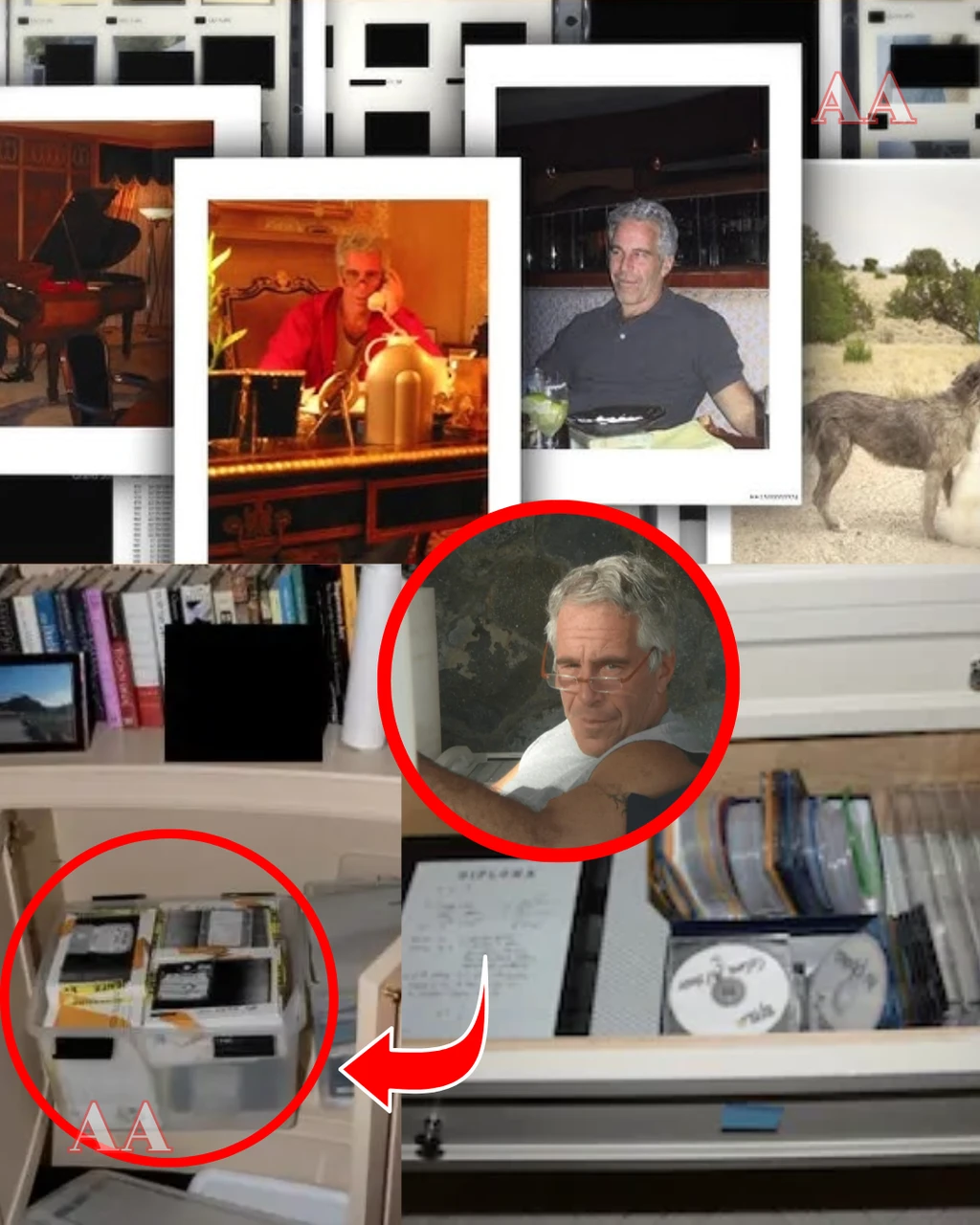
THE EPSTEIN FILES OPEN AGAIN: 17 DIRTY EMAILS EXPOSED IN A MAJOR EPSTEIN DOCUMENT LEAK, FORCING THE PUBLIC TO CONFRONT QUESTIONS THAT HAVE NEVER BEEN ANSWERED|KF
The release of millions of pages of investigative material related to Jeffrey Epstein has reopened one of the darkest chapters in modern American criminal history.
Buried inside the newly released Epstein files are emails that investigators, prosecutors, and legal analysts say offer an unusually raw window into Epstein’s mindset, his behavior, and the alleged mechanics of a sprawling sex‑trafficking operation that ended only with his death in federal custody in August 2019.
The emails are not merely obscene. From an evidentiary standpoint, they matter because electronic communications are among the hardest forms of evidence to dispute.
Unlike hearsay or recollections years after the fact, emails establish timelines, intent, knowledge, and patterns of conduct.
In federal prosecutions involving sex trafficking and conspiracy, such records are often central to proving recruitment, coercion, and quid‑pro‑quo arrangements.
According to legal experts reviewing the Epstein files, these communications offer a preview of what prosecutors may have presented had Epstein lived to stand trial on federal sex‑trafficking charges.
One of the earliest and most disturbing messages dates to March 11, 2014.
Sent to Epstein by a redacted sender, the email reads: “Thank you for a fun night.
Your little girl was a little naughty.” Coming years after Epstein had already pleaded guilty in Florida to solicitation of prostitution, including solicitation involving a minor, the language immediately raises questions about whether individuals around him understood exactly what kind of conduct they were participating in.
In another email from September 14, 2014, Epstein wrote: “Not a good idea for you to come today.
Too many people think you look too young.” Legal analysts say such language may demonstrate knowledge and consciousness of guilt, especially in light of Epstein’s criminal history.
An April 29, 2009 exchange reflects what investigators have long alleged was a systematic process of recruitment.
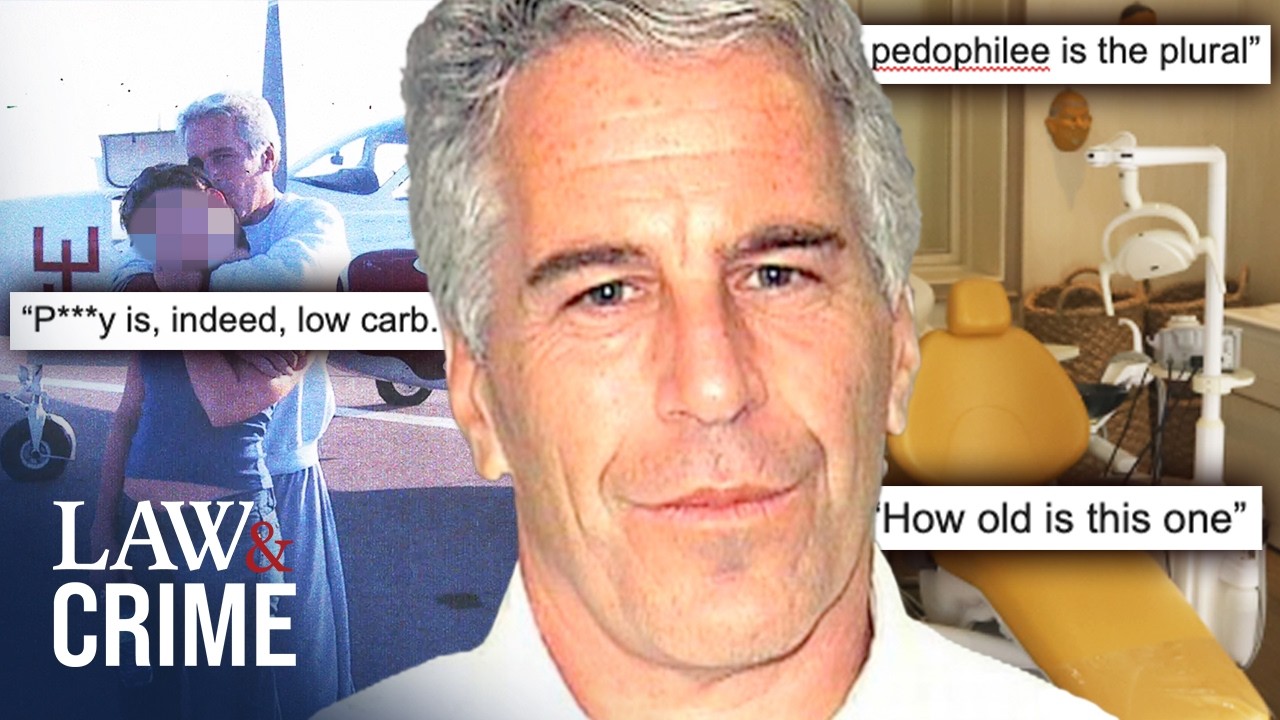
Epstein asked, “How old is this one?” After being told “19,” he replied: “Bring it to New York, please.”
The phrasing, prosecutors argue, suggests logistics rather than romance.
Other messages reinforce the role of so‑called “massages,” which prosecutors previously described as an entry point into abuse.
In one August 2009 email, Epstein complained that when he asked someone to rub his head or feet, it was not done to his satisfaction.
Investigators have said such interactions were often the first step toward exploitation.
By 2015, the emails grew increasingly explicit. In one exchange, Epstein instructed a recipient to send nude photographs, emphasizing that her future travel would depend on how “sexy” the images were.
In federal sex‑trafficking cases, promising trips or financial benefits in exchange for sexualized conduct can constitute evidence of coercion.
Several emails reveal communications with high‑profile figures, intensifying public scrutiny.
Correspondence involving anti‑aging influencer Peter Attia drew widespread attention after he publicly acknowledged embarrassment over his language while denying any criminal conduct.
Attia later stepped down from a corporate role as the fallout continued.
Another email referenced attendance at a party hosted by Sean “Diddy” Combs in 2013.
While attending such an event does not imply criminal conduct, the mention has drawn renewed attention in light of Combs’ own recent federal convictions related to prostitution offenses.
Emails also suggest Epstein sought proximity to powerful individuals.
Exchanges referencing Elon Musk surfaced, though Musk has repeatedly stated he declined invitations to Epstein’s island and supported full public release of the Epstein files.
One particularly troubling message from December 2009, allegedly sent by publicist Peggy Siegal, described international travel plans and concluded with the line: “Can bring a little baby back for you or two, boys or girls?”
While Siegal has never been charged with a crime, the wording has intensified questions about how openly disturbing language circulated within Epstein’s social orbit.
Another set of emails referenced Karina Schuliak, believed to be Epstein’s romantic partner and beneficiary of his estate.
The correspondence included links to explicit material and has drawn attention because Schuliak reportedly spoke with Epstein shortly before his death.
In still another exchange, Epstein appeared to joke about attending a “pedophile convention” in reference to travel plans involving filmmaker Woody Allen.
The email did not deny the implication, a detail that investigators say underscores Epstein’s brazenness.
Perhaps most explosive are emails involving a former British government minister, reportedly Peter Mandelson.
Messages allegedly exchanged following Epstein’s release from prison in 2009 included sexually explicit references.
British authorities have since announced a criminal investigation into a former senior official for misconduct in public office, further escalating international fallout.
Across the emails, a recurring theme emerges: secrecy, normalization of exploitation, and casual discussion of behavior that federal prosecutors once described as criminal enterprise.
While the Department of Justice has stated that no additional prosecutions can be brought based on the existing evidence, legal scholars emphasize that these emails remain critical to understanding how Epstein operated for years in plain sight.
The Epstein Files Transparency Act, which mandated the release of these documents, has forced the public to confront unresolved questions: who knew, who benefited, and how a convicted sex offender maintained access to power and protection.
For many victims and their families, the emails are painful to read but impossible to ignore.
They represent not gossip, but a documentary record of a system that, until now, was largely hidden behind privilege and influence.
Epstein never faced a jury. But the evidence released in these files has ensured that the legal, moral, and historical reckoning continues.
⚠️IMPORTANT – COMPLAINTS⚠️
If you wish to have content removed, please send your reason to the following email address:
Warning:
These posts may contain information that should not be taken as absolute truth, but rather as hypotheses, speculations, rumors, and information found online. This content may include gossip, anecdotes, exaggerations, or inaccurate information. Viewers are encouraged to conduct their own research before forming opinions. The content may be subjective.